In recent years, the culinary world has adopted an novel ingredient known for its promising health benefits: cannabidiol, or CBD. This non-intoxicating compound sourced from the hemp plant has achieved popularity not only for its use in oils and tinctures but also as a tasty addition to many recipes. As the public explore the relaxing effects of CBD, it presents fresh possibilities for adding this ingredient into everyday meals and treats, creating a unique blend of flavor and wellness.
For those in search of relief from a range of conditions, the infusion of CBD into culinary creations presents a new avenue for achieving balance and comfort. From tackling intimate health issues like dyspareunia and pelvic discomfort to providing alternatives to traditional pain relief methods, the versatility of CBD is noteworthy. As we investigate the world of CBD-infused cuisine, we will examine how these delicious creations can bring a sense of calm while also serving as a possible complement to existing therapies, including the challenging debate around CBD versus opioids.
Understanding CBD and Its Advantages
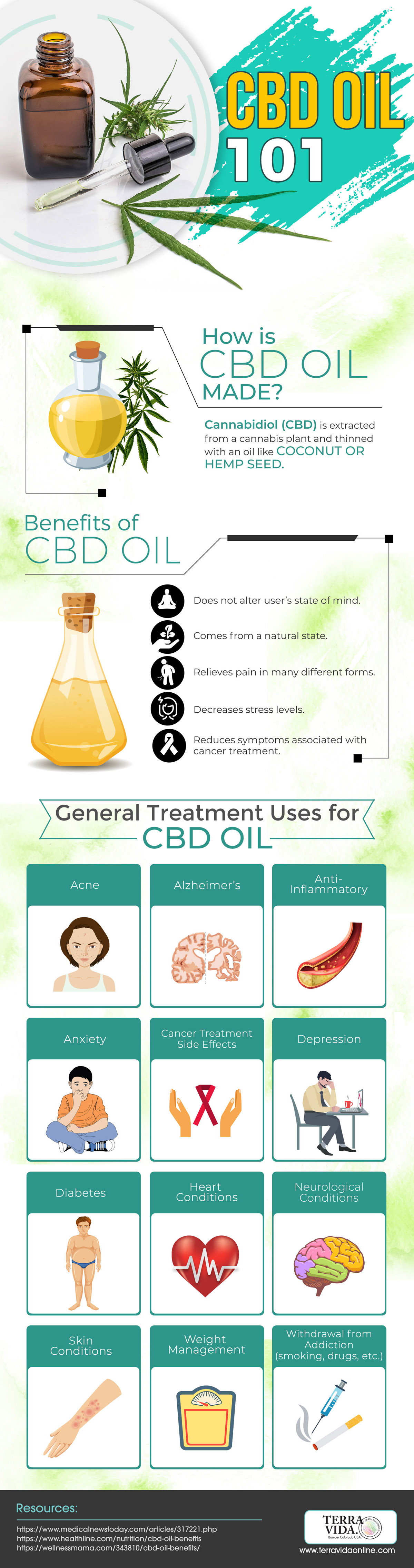
CBD, short for cannabidiol, is a organic substance derived from the hemp species. Unlike its more well-known counterpart, tetrahydrocannabinol, cannabidiol does not produce psychoactive effects, which makes it a popular choice for those seeking the healing advantages of cannabis without the high. This characteristic has led to a significant focus in CBD for various uses, particularly in health & wellness.
The possible advantages of cannabidiol are vast and varied. Many individuals are seeking out cannabidiol for its anti-inflammation properties, which may be particularly helpful for managing pain. For those suffering from issues such as dyspareunia, cannabidiol may offer relief by reducing inflammation and easing muscle tightness. Additionally, CBD is under investigation for its effectiveness in alleviating pelvic discomfort, making it a valuable option for those suffering from persistent pain in the area.
Another topic of focus is the comparison of cannabidiol compared to opioids in managing pain. With the epidemic persisting pose significant risks to health, many are looking for alternative pain relief methods. Cannabidiol offers a hopeful alternative, as it connects to the body’s endocannabinoid system to support homeostasis and lessen discomfort minus the dangerous side effects typically linked to opioids. This shift towards natural remedies highlights the increasing recognition and adoption of CBD in conventional health discussions.
Culinary Uses of Cannabidiol
Integrating CBD into gourmet meals is a great way to utilize its potential benefits while enjoying delicious meals. Chefs and amateur chefs alike are getting imaginative, infusing everything from salad dressings to desserts with CBD oil. The versatility of CBD allows it to complement both savory-flavored and dessert dishes, encouraging a different way to enjoy its soothing effects. By using CBD oil in your cooking, you can improve the flavor profile of your dishes while possibly offering therapeutic benefits.
For those curious in wellness, adding CBD to daily recipes can be an inviting approach to personal care. Simple alterations, such as blending CBD oil into smoothies or drizzling it over roasted vegetables, can create a nutritious boost without sacrificing taste. Moreover, as CBD becomes more popular in the culinary world, more options, including CBD-infused sauces and snacks, are becoming common, further enhancing the variety for incorporating this compound into meals and snacks.
As culinary creativity continues to flourish, innovative ideas for utilizing CBD are on the rise. Culinary experts try out with CBD in baking, baking brownies and cookies that not only please a sweet tooth but also encourage relaxation. Pairing CBD with seasonings can also enhance its flavor while offering an array of potential health benefits. This growing culinary trend encourages everyone to discover how CBD can be included into their diet, opening new possibilities to wellness and enjoyment through food.
CBD for Pelvic Health and Dyspareunia
The application of cannabidiol in the realm of pelvic wellness is gaining attention, particularly for conditions like painful intercourse, which is defined as painful intercourse. https://www.leafie.co.uk/cannabis/cannabis-revolutionising-wellness-tourism/ experiencing this issue are using cannabidiol-based products as a natural option to help alleviate discomfort. Studies suggest that cannabidiol's anti-inflammatory properties may assist in reducing the pain associated with pelvic conditions, offering a possible alternative to traditional treatments.
Cannabidiol suppositories have emerged as a preferred choice for people focusing on pelvic health. They allow for targeted relief by delivering CBD directly to the affected area, which may improve its effectiveness. Users have reported gains in comfort and a decrease in pain during intimate moments, making cannabidiol an attractive option for individuals struggling with dyspareunia.
The discussion around cannabidiol vs opioids is more and more relevant in the scope of managing pelvic pain. Many are looking for ways to avoid the adverse effects and addiction often associated with opioids. Cannabidiol presents a safer alternative, with fewer side effects, and can promote overall pelvic health. As more people become aware of the benefits of CBD, its role in enhancing sexual health and comfort continues to expand, providing assurance for individuals seeking relief.
Contrasting CBD versus Opioids for Pain Management
The growing interest in CBD being a medical option has ignited a demand for comparison against traditional pain management solutions, especially opioids. Although opioids have the cornerstone for treating medium to severe pain, their potential for dependency and significant side effects raises worries within healthcare professionals and patients alike. CBD, derived from the cannabis plant, offers a non-intoxicating alternative that some studies suggest may assist alleviate pain without the high risk of dependency.
Studies indicates that CBD works with the body’s endocannabinoid system, which plays a critical role in pain regulation. Unlike opioids, which attach to specific receptors in the brain to diminish the sensation of pain, CBD may assist modulate pain signals through different biochemical routes. This distinction points to a possibly safer profile for CBD, especially for people looking for longer-term pain management options free from the concerns of addiction.
In the setting of conditions such as dyspareunia and pelvic pain, the use of CBD suppositories is becoming as a novel approach. Patients report relief from discomfort free from the adverse effects commonly associated with opioids. This suggests that CBD could be a beneficial addition to the pain management toolkit, offering an effective alternative that focuses on patient protection and health. As CBD suppositories for soothing relief , the investigation of CBD’s position next to or instead of opioids may reshape our comprehension of successful pain relief.